Multilingual artificial intelligence (AI) can help bridge language barriers in healthcare by improving doctor-patient communication, simplifying clinical documentation and expanding access to medical information, Amitabh Nag, CEO of the Digital India BHASHINI Division (DIBD), said on Sunday.
Addressing the Global Digital Health Summit (GDHS) 2026 in New Delhi, Nag emphasised that language is a critical yet often overlooked component of digital healthcare infrastructure.
He highlighted that healthcare extends beyond diagnosis and medication, with empathy and effective communication playing an important role in building trust between doctors, patients and caregivers.
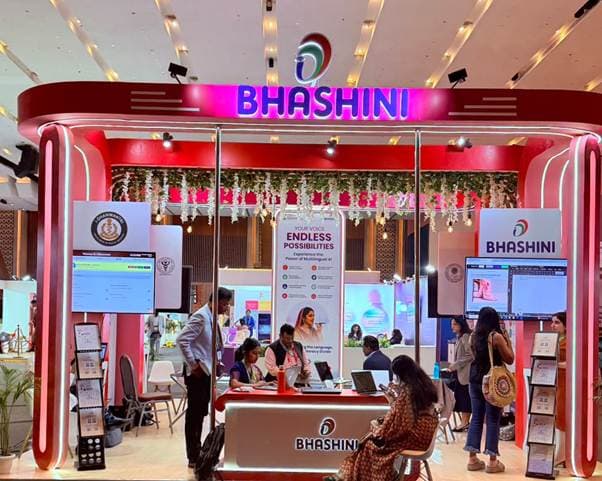
The two-day summit saw BHASHINI showcase its multilingual AI ecosystem, demonstrating how language technologies can support healthcare delivery, streamline clinical workflows and enable more inclusive, accessible and patient-centric services.
Nag stressed the importance of integrating language intelligence into digital healthcare systems so that patients can understand medical information, communicate their concerns and access services in their preferred languages.
He noted that communicating in familiar languages, including Bodo, Marathi, Punjabi and Maithili, can make healthcare interactions more reassuring and accessible, helping patients feel heard and understood.
The initiative also highlighted ‘BhashaDaan’ for Health, which focuses on community-driven contributions to developing language resources for healthcare and strengthening multilingual AI capabilities for medical and public health applications.
Another key initiative, ‘Data Daan for Health’, aims to build multilingual healthcare datasets by documenting colloquial expressions used by people to describe symptoms and health conditions, along with their corresponding medical terminology.
The initiative seeks to capture how people naturally communicate health concerns in everyday conversations, including regional phrases and expressions that may differ from formal medical vocabulary.
BHASHINI highlighted that multilingual AI can go beyond conventional translation services to become an enabling layer across healthcare systems, making medical information and services more accessible to people across linguistic backgrounds.
The efforts are aimed at strengthening India’s digital healthcare ecosystem through inclusive language technologies and improving patient engagement across diverse communities.
Published: Sunday, 22 November 2026 | 2:57 PM IST