
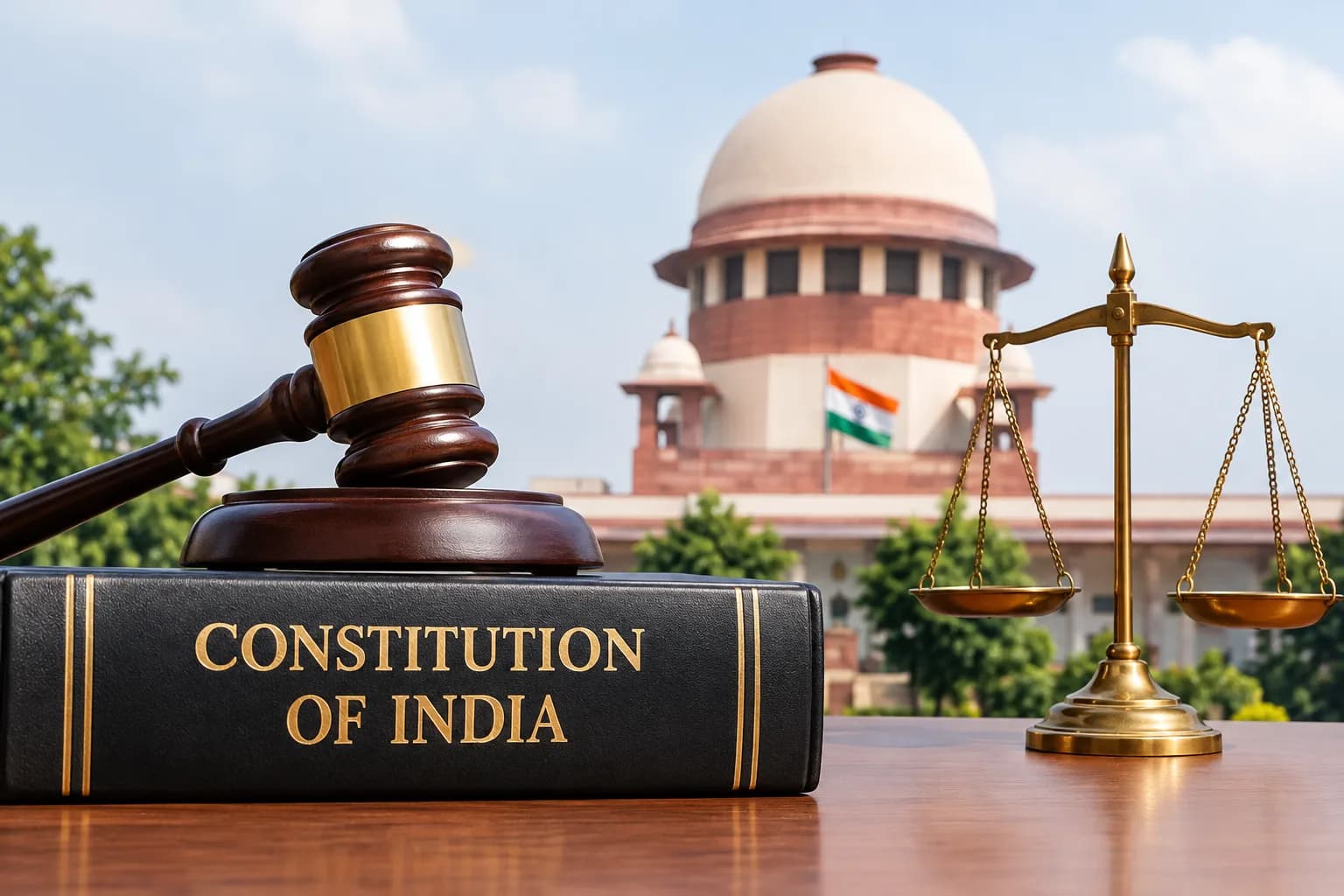
New Delhi: Citizens Can Approach Magistrates Over Allegedly False Election Affidavits
The Supreme Court of India has ruled that private citizens can approach a magistrate with a criminal complaint alleging that an elected representative filed a false affidavit during an election, without requiring prior approval from the Election Commission of India (ECI) or another public servant.
According to a report published by Hindustan Times on October 21, the ruling came in an appeal filed by Rajkumar Madki against a Karnataka High Court decision that had quashed his criminal complaint against Bidar MLA Shailendra Beldale.
The Supreme Court's decision addresses the process through which allegations of false information in election affidavits can be brought before a magistrate. Such affidavits are an important part of electoral transparency, as they provide information that voters use when evaluating candidates.
The ruling also highlights the role of ordinary citizens in raising legal concerns about election disclosures. At the same time, allegations must be examined through the appropriate legal process, and a complaint does not by itself establish that an elected representative has committed an offence.
The development is significant for discussions around electoral accountability, transparency and the enforcement of election-related laws in India.
Published: Wednesday, 21 October 2026 | 2:53 PM IST