
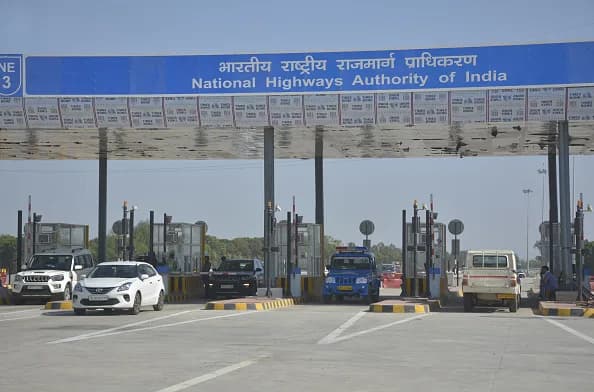
The National Highways Authority of India (NHAI) has issued guidelines for the upgradation, maintenance and smart monitoring of public toilet facilities and designated parking areas at National Highway toll plazas to improve the quality, safety and accessibility of public amenities for highway users.
The guidelines prescribe standards for upgrading existing facilities, ensuring regular cleaning, introducing technology-enabled monitoring, incorporating citizen feedback and enforcing performance-based accountability to keep public facilities clean, safe and functional, according to a press release by the Ministry of Road Transport & Highways.
Comprehensive Upgradation and Maintenance
Existing toilet facilities will undergo technical assessments before rehabilitation to identify the repairs and replacements required. Upgradation will cover flooring, plumbing, sanitary fittings, lighting, ventilation, drainage, signage and other essential amenities.
Housekeeping arrangements and cleaning schedules will be determined based on the size of toilet blocks and traffic volumes to ensure regular maintenance and the availability of basic amenities.
Focus on Safety and Accessibility
The guidelines provide for measures to enhance the safety of women and families using highway facilities, particularly at night. These include adequate lighting, CCTV surveillance of approaches and parking areas, sanitary napkin vending machines and clearly visible signs indicating the availability of public amenities.
Each covered toll plaza will also be required to provide at least one universally accessible toilet unit, with barrier-free access, suitable doorways and grab bars for persons with disabilities.
Parking areas will be improved through designated parking bays and proper drainage, with provisions for future electric vehicle (EV) charging infrastructure.
Smart Monitoring and Citizen Feedback
Technology-enabled monitoring will help track water availability, odour, sewage levels, leakages, electricity supply and toilet occupancy. Alerts for issues such as water shortages, sewage overflows and equipment failures will facilitate timely corrective action.
Data generated through smart monitoring will be integrated with NHAI’s central digital platform, enabling officials to track facility conditions, maintenance activities, complaints and agency performance through a centralised digital dashboard.
National Highway users will be able to submit feedback through QR codes linked to the Rajmargyatra app and touchscreens installed at toilet facilities. Digitally recorded complaints and suggestions will help authorities monitor reported issues and their resolution.
The guidelines also mandate the use of fully mechanised methods for cleaning and desludging septic tanks, soak pits and sewer lines. Manual entry into septic tanks, manholes and sewer lines will be strictly prohibited.
Performance-Based Accountability
The guidelines establish a structured inspection framework comprising daily supervision, weekly technical inspections, monthly joint reviews, quarterly audits and annual third-party assessments.
Facility performance will be evaluated through physical inspections, monitoring data and verified citizen feedback. The guidelines also prescribe timelines for resolving issues and financial penalties for inadequate maintenance. Agencies that repeatedly fail to meet the prescribed standards may face strict action.
Through these measures, NHAI aims to improve the upkeep of public amenities at National Highway toll plazas and provide cleaner, safer and more accessible facilities through transparent, technology-enabled monitoring and stronger accountability.
Published: Saturday, 24 October 2026 | 2:30 PM IST